Mortgage Guide
Can You Finance a Manufactured Home on Its Own Land in California?
A missing 433A does not automatically rule out financing a manufactured home in California. Learn about land ownership, foundation documents, and seller work during escrow.
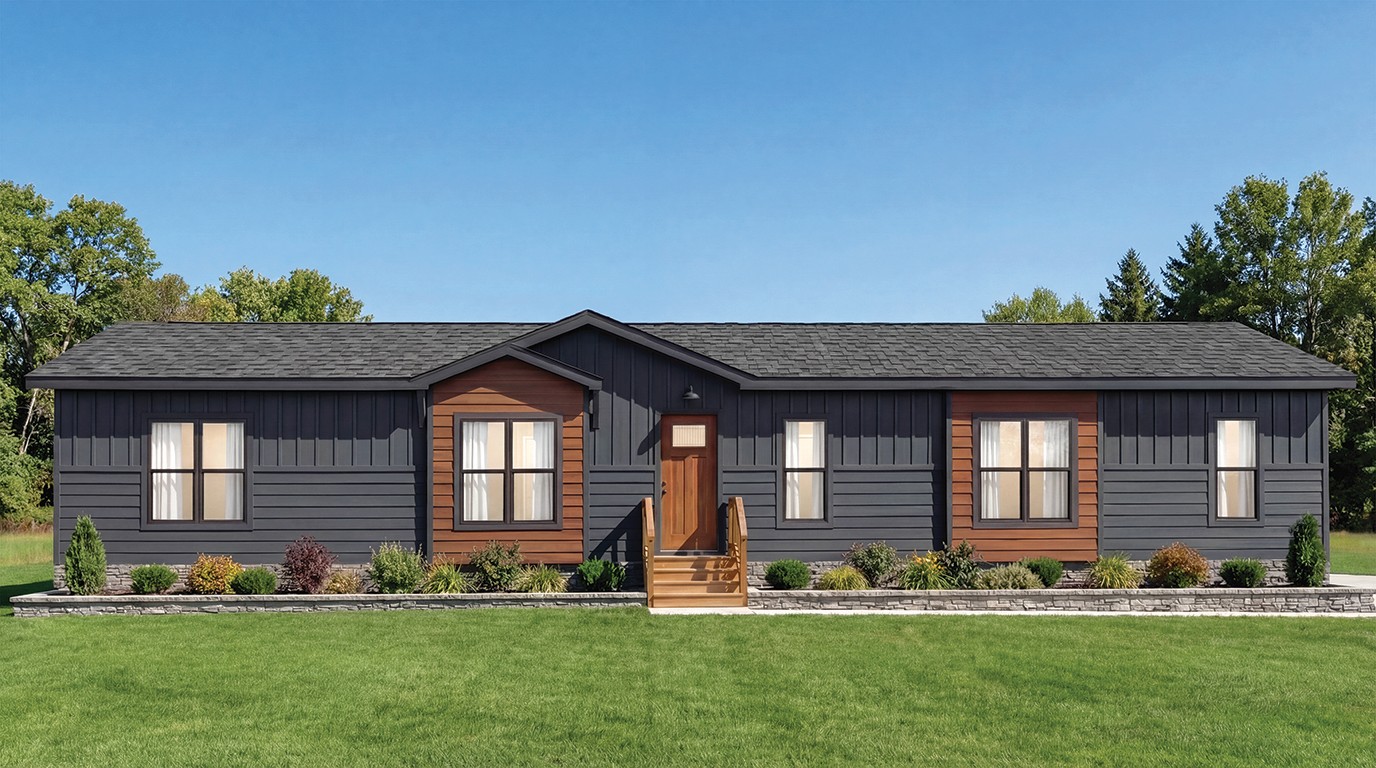
Can you finance a manufactured home on its own land in California if it does not have a recorded 433A?
Potentially, yes. A missing recorded 433A does not by itself mean a manufactured home cannot be financed. Depending on its condition and history, the seller may be able to complete required foundation work, permits, inspections, recording, and title-related steps during the transaction. The property still must satisfy the specific mortgage program and lender requirements before closing, or any expressly permitted post-closing process.
A manufactured home on its own land can be a practical way to buy in Southern California. But you may see a listing that says “no 433A” or “cash only” and wonder whether a regular mortgage is possible.
A missing 433A is a reason to investigate—not automatically a reason to walk away. In some California purchases, sellers complete the required foundation work and documentation during escrow so the property can meet a lender’s real-estate mortgage requirements. That outcome is not guaranteed, and a lender needs to evaluate the specific home early.
1. Confirm that you are buying the land and the home
Start with the listing and title information. For a typical conventional mortgage on a manufactured home, the home and the buyer’s interest in the underlying land generally must secure the loan as real property. A home in a park where you rent the space can involve very different financing.
Ask whether the land is included, whether the home has its own separate HCD certificate of title or registration, and whether the current title search recognizes the manufactured home as part of the real estate. Ask about any liens on the home itself. Do not assume that a home on a privately owned parcel is already legally converted to real property.
2. What is California’s 433A?
An HCD 433A is the California form used to document installation of a manufactured home on a qualifying foundation system as an improvement to real property under Health and Safety Code section 18551(a). The applicable enforcement agency inspects the installation, and the completed form is recorded with the county recorder as part of the process. The HCD registration/titling steps also matter.
You can ask the listing agent for a copy of the recorded 433A, not just a blank form or an unsigned draft. County records and title/escrow may also help confirm whether it was recorded. California HCD explains the process.
No 433A yet? The seller may be able to complete it during the sale
Not all manufactured homes on their own land already have a recorded 433A. Depending on the property's circumstances, the seller may be able to address this during escrow. That could include a foundation evaluation, necessary corrective work, local permits and inspections, recording the 433A, and resolution of the home's certificate of title or other HCD records.
What matters is whether those steps are feasible and can be finished on the lender’s schedule. This is a subject to address before making an offer, including who will pay for required work and what happens if approvals or recording take longer than expected. A contractor's promise or an engineer's opinion alone is not a substitute for completed legal recording and title requirements.
3. Is a 433A the same as an engineer’s foundation certification?
No. They answer different questions. A recorded 433A concerns the California real-property installation/recording process. An engineer’s or architect’s certification addresses whether a foundation meets the technical standard required by a particular loan program. Some lenders and programs may require a professional report confirming compliance with HUD’s Permanent Foundations Guide for Manufactured Housing (PFGMH).
A home can have a recorded 433A and still need additional foundation evidence for the loan. Likewise, an engineering report does not automatically replace the 433A or resolve an outstanding title issue. Ask the lender which documents it actually needs for the selected loan program.
4. Can FHA, VA, or conventional financing work?
Potentially. These programs can finance eligible manufactured homes, but the requirements are not interchangeable, and not every lender offers every option.
- Conventional: Fannie Mae's published requirements address HUD-code construction, a permanent foundation, real-property classification, the home and land securing the mortgage, and other property and title considerations. Some specific property histories, including prior relocation, can affect eligibility.
- FHA: FHA manufactured-home requirements include HUD-code construction and foundation documentation; its handbook describes an engineer/architect certification to the PFGMH for relevant Title II transactions. Check the latest FHA and lender-specific requirements for the property.
- VA: Eligible borrowers may have a VA financing option on a qualifying manufactured home, subject to the property's status, VA rules, and lender acceptance.
Generally, these loan programs focus on HUD-code manufactured homes built on or after June 15, 1976. The manufacture date, HUD certification labels/data plate, prior movement of the home, foundation, appraisal, and lien/title status can all matter. A modular home is a different construction category and should not automatically be treated as a manufactured home.
5. What to check before writing an offer
Ask the seller or listing agent:
- Does the price include the land? Is it fee-simple ownership or some other structure?
- What year was the home built? Are the HUD labels or data plate available?
- Is there a recorded 433A? If yes, can you get a copy?
- If there is no 433A, is the seller willing to pursue it? Who handles work, inspections, expense, and the closing timeline?
- Has the home ever been moved after its original installation? This can change financing options.
- Is there an engineer's foundation report? If so, when was it prepared, for what standard, and does the current lender accept it?
- Are there any separate HCD title, lien, permit, or foundation issues?
A lender can help flag likely obstacles before you spend money on an appraisal. Still, no initial review can guarantee a home will pass all property and underwriting conditions.
6. Send me these details for an early financing review
If you found a California manufactured home, send me:
- The property address or a link to the listing
- The asking price and whether the land is included
- The year built, if known
- Any 433A, foundation, engineer, or title documents the agent has
- Whether the seller has agreed to handle any missing 433A work
- The loan type you are considering, if you already know it
I'll help identify which lender and property questions to answer first. Some answers will still require an underwriter, title company, engineer, or local building department.
The bottom line
A manufactured home without a recorded 433A may still be financeable. In real transactions, a seller can sometimes complete the required conversion and foundation documentation before closing. But the home must ultimately satisfy the lender's property, legal-title, and underwriting requirements.
Looking at a manufactured home in Southern California? Contact James Taverner with the property address or listing link so we can identify potential financing hurdles early.
This guide is general information, not a loan approval or legal/engineering opinion. Financing and property eligibility depend on the selected program, lender, property condition, appraisal, title, and underwriting. Requirements can change.
Frequently asked questions
Can a manufactured home without a 433A qualify for a mortgage?
Potentially. The seller may be able to complete needed foundation improvements, permits, inspections, recording and related title work during escrow. The home must still meet the applicable lender and loan-program requirements.
Can the seller get a 433A during escrow?
Sometimes, yes. Feasibility depends on the home, existing foundation, permits, local inspections, legal title and timing. Address seller responsibility and deadlines before relying on it in a purchase contract.
Does a 433A prove the foundation meets every lender requirement?
No. A recorded 433A documents California’s real-property installation/recording process. A lender may separately require an engineer or architect to certify foundation compliance with its loan-program standards.
Can an engineer’s foundation certification replace a 433A?
Not automatically. An engineer’s report and a recorded 433A serve different purposes. The lender and title/escrow must confirm the documents needed to establish both foundation compliance and acceptable real-property title.
Can FHA, VA, or conventional loans finance manufactured homes on owned land?
Potentially. Eligibility depends on the specific program, the lender, the home’s manufacture date, foundation, appraisal, title, HUD labels, and any relocation history. Not all lenders offer every manufactured-home program.
What should I send a mortgage broker before offering on a manufactured home?
Send the listing or address, price, year built, confirmation that land is included, and any 433A, title, foundation or engineering documents. Note whether the seller will address missing documentation before closing.
Sources
- HCD 433A foundation-system and title process — California Department of Housing and Community Development
- HCD information bulletin: recording and correcting HCD 433A — California Department of Housing and Community Development
- Health and Safety Code section 18551 foundation and real-property requirements — California Legislature
- Fannie Mae manufactured housing legal and titling considerations — Fannie Mae Selling Guide
- Fannie Mae manufactured housing loan eligibility — Fannie Mae Selling Guide
- Fannie Mae factory-built housing property eligibility — Fannie Mae Selling Guide
- FHA Single Family Housing Policy Handbook 4000.1 — U.S. Department of Housing and Urban Development
- California HCD registration and titling transfer guidance — California Department of Housing and Community Development