Mortgage Guide
Buying a Manufactured Home in California: Park vs. Owned Land
A manufactured home in a park can cost less upfront and more each month. Compare chattel loans, space rent, HUD eligibility, and mortgages for homes on owned land.
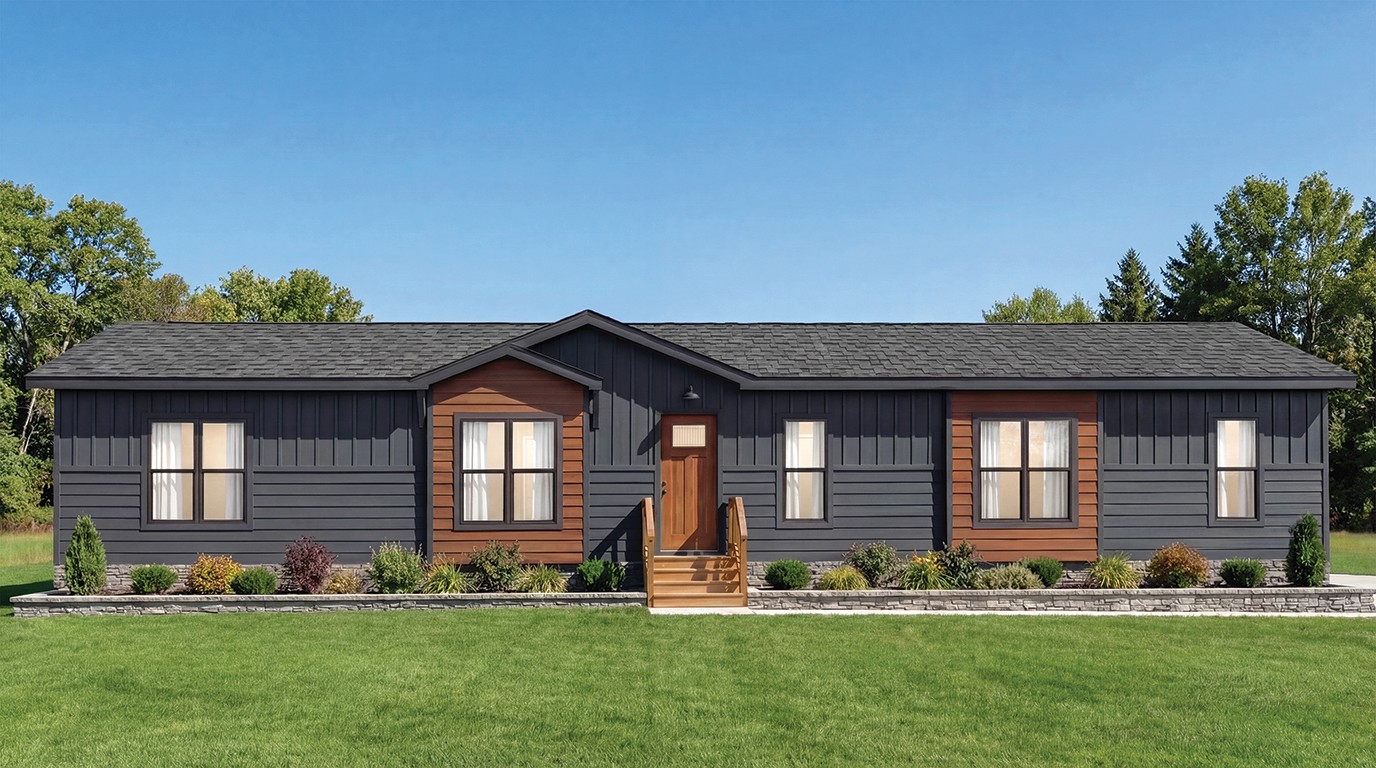
What’s the difference between buying a manufactured home in a park and buying one on its own land?
In a typical land-lease park, you buy the home, rent the space, and often use a home-only chattel loan. If the home and parcel are sold together and qualify as real estate, a traditional mortgage may be available. Compare the full monthly cost, including the park’s space rent, and verify the home’s manufacture date, title and foundation before you make an offer.
Two manufactured homes can look similar online and work very differently once you see the monthly numbers. In a typical land-lease park, you buy the home and rent the space underneath it. When you buy a manufactured home with its own land, the home and parcel may qualify together for a real-estate mortgage. The year the home was built, its title and its foundation all help determine which financing is available.
If you’re comparing listings in Southern California, get the new-buyer space rent in writing before you decide which home you can afford. A lower purchase price can still come with a higher monthly housing cost.
Manufactured home in a park vs. on owned land
| What to compare | Home in a land-lease park | Home with its own land | | --- | --- | --- | | What you’re buying | Usually the home, with a rental agreement for the space. | The home and the parcel, assuming both are included in the sale. | | Typical financing | A home-only loan, often called a chattel loan, secured by the home as personal property. | A mortgage secured by both the home and land when the property qualifies as real estate. | | Loan term | Triad Home Only can go up to 25 years on eligible loans. Some loans have shorter limits. | A 30-year mortgage may be available, depending on the property, program and lender. | | Monthly costs | Loan payment, space rent, taxes or registration costs, insurance, and any required park charges. | Mortgage payment, property taxes, insurance, and any applicable mortgage insurance, program fees or HOA dues. |
Some communities use different ownership structures, such as resident-owned parks, co-ops or individually deeded lots. Ask what the sale actually transfers. A park address or an MLS property label gives you a starting point. The title and land documents determine what you own and what the lender can use as collateral.
Why June 15, 1976 matters
June 15, 1976 is the federal HUD Code cutoff. A pre-HUD mobile home was built before that date. A HUD-code manufactured home was built to the federal construction and safety standards that took effect on that date. The home’s actual manufacture date and documentation matter more than the year shown in a listing.
- Look for the exterior HUD certification label on each section. A double-wide typically has two labels. The interior data plate provides details about the home and the standards it was built to meet.
- A missing label can sometimes be verified. HUD directs owners to the Institute for Building Technology and Safety (IBTS) for a verification letter when records are available. Ask your lender what documentation it accepts.
- A true pre-HUD home has fewer financing options. The Triad Home Only guidelines I reviewed exclude homes built before June 15, 1976. The standard real-estate mortgage options described below require qualifying manufactured housing. A permanent foundation can address installation requirements, while the home’s manufacture date and construction standard are assessed separately. Ask about specialty financing early if you’re looking at a pre-HUD home.
HUD’s guide to manufactured-home labels and verification
Buying in a park with a chattel loan
A chattel loan finances the home as personal property. In a typical land-lease park purchase, the lender’s collateral is the home, and you pay the park separately for the right to occupy the space. Review both the financing and the park’s rental agreement before committing.
Triad’s Home Only program is one example. Its July 2026 guidelines show terms up to 300 months, or 25 years, on eligible loans. Some Home Only tiers cap smaller loans at 240 months, or 20 years. The term available to you depends on the program, loan amount, property and underwriting. Credit, down payment, income, debt and the home’s value also affect eligibility.
For the same loan amount and interest rate, a shorter repayment term means a higher monthly loan payment. The Consumer Financial Protection Bureau found that home-only loans in its study tended to have shorter terms and higher rates than manufactured-home mortgages secured by the home and land. Compare quotes and total monthly costs for the actual properties you’re considering.
Triad Home Only program overview · CFPB manufactured-housing finance study
Buying a manufactured home on its own land
A HUD-code manufactured home built on or after June 15, 1976 can potentially qualify for conventional, FHA, VA or USDA real-estate financing. In a typical purchase, the home and the land secure the mortgage together, the home is classified as real property, and the foundation meets the selected program’s requirements. An eligible transaction may offer a 30-year mortgage. Each program also reviews the borrower and the property.
| Program | What to check early | | --- | --- | | Conventional | Ask about HUD labels or accepted verification, permanent foundation, real-property title, and whether the home’s size, configuration or prior move affects eligibility. Fannie Mae publishes separate property and loan requirements. | | FHA Title II | Check the manufacture date, HUD label documentation and the foundation requirements. FHA generally requires a licensed engineer or architect to certify foundation compliance for an existing manufactured home, subject to the handbook’s provisions for using a prior certification. | | VA | Confirm the borrower’s VA eligibility and ask whether the lender offers manufactured-home loans. VA’s real-estate path requires HUD-code construction, real-estate classification and a permanent foundation that meets applicable requirements. | | USDA Guaranteed | Check the address and household income first. An existing manufactured home generally must be within 20 years of manufacture at loan closing, and it must meet additional property requirements, including a permanent foundation and restrictions on prior installation at another homesite. USDA’s guaranteed loan is a 30-year fixed-rate program. |
In California, ask for the recorded HCD 433A and have title or escrow verify how the home is held. The 433A documents the installation and recording process for a qualifying foundation. The lender may also need a separate engineer’s certification or evidence that the home’s title was handled properly. If the 433A is missing, ask early whether the seller can complete the necessary work and recording during escrow. Read my California 433A financing guide.
How space rent changes your payment and what you qualify for
Budget for space rent as part of your housing payment. Get the rent that will apply to you as the incoming buyer, along with required charges, which utilities are included, and the lease terms. The seller’s current rent may differ. When you request a residency application for a specific space and the park has been told the home is for sale, California Civil Code section 798.74.5 requires the park to provide a disclosure that includes the starting rent and additional park charges. Confirm the park’s application and approval process as well. Park approval and lender approval are two steps to plan for.
Space rent also matters to the lender’s review. When calculating what you can afford, expect the lender to account for the required lot rent along with the home payment and other applicable housing costs. Your other monthly debts and qualifying income also affect the result. Ask your lender to run the numbers using the specific park and space before you make an offer.
California Senate Mobilehome Residency Law handbook, sections 798.74 and 798.74.5
Example with two listings and two monthly budgets
These numbers are made-up budget inputs for comparison. Use actual loan estimates, the park’s written rent, and property-specific taxes and insurance when comparing listings.
| Monthly budget item | Home in a park | Home with land | | --- | ---: | ---: | | Example purchase price | $150,000 | $325,000 | | Assumed monthly principal and interest | $1,000 | $1,800 | | Monthly space rent | $1,350 | $0 | | Assumed monthly taxes and insurance | $150 | $425 | | Total of the monthly costs shown | $2,500 | $2,225 |
Here, the park home costs $175,000 less to buy and $275 more per month on the costs shown. Mortgage insurance, park fees, HOA dues and utilities can change the comparison. With $6,000 in gross monthly income, the $1,350 space rent alone adds 22.5 percentage points to a simple debt-to-income calculation. Space rent can continue after you pay off the home loan, and its future changes depend on the lease and applicable law.
What to get before you make an offer
- Confirm what you’re buying. Ask whether the sale includes a deeded parcel, a lease, or some other ownership interest.
- Verify the manufacture date. Ask for the serial numbers, HUD labels or verification, and any known relocation history.
- For a park home, get the incoming buyer’s rent in writing. Ask about required fees, utilities, the lease and the park’s approval process.
- For a home with land, ask for the recorded 433A and foundation documents. Have the lender and title company review the home and land together.
- Compare the full monthly costs. Get the lender’s estimate and use the actual space rent or property costs for each listing.
If you’re looking at a manufactured home in Southern California, send me the listing, manufacture year, and either the park’s written space rent or the foundation documents you have. I can help you identify which financing paths are worth checking and compare what each home would cost monthly. Contact James Taverner.
Loan terms and eligibility depend on borrower qualifications, the property, lender and program requirements. The monthly figures above are hypothetical. James Taverner, California Mortgage Broker, NMLS #1369773, DRE #01982735. Broker Associate with Ever Stewart Alvarado, DRE #01346092. Lunar Home Loans, NMLS #1986844. Licensed in California only. Equal Housing Opportunity.
Frequently asked questions
Do I own the land when I buy a manufactured home in a park?
In a typical land-lease park, you own the home and rent the space. If the community is resident-owned, a co-op or has deeded lots, ask what ownership interest the sale transfers and have the title and financing reviewed.
Can I finance a mobilehome built before June 15, 1976?
Financing is more limited for a true pre-HUD home. The Triad Home Only guidelines reviewed for this article exclude homes built before June 15, 1976. Ask about specialty options and verify the manufacture date before relying on financing.
Can I get a 30-year loan on a manufactured home?
A 30-year real-estate mortgage may be available when the home and land qualify together. Triad’s Home Only guidelines allow up to 25 years on eligible loans, with shorter limits on some loans. The actual term depends on the property, loan program and lender.
Does space rent count when qualifying for a manufactured-home loan?
Expect the lender to account for required space rent along with your loan payment and other applicable housing costs. Ask for the new buyer’s rent in writing so your lender can run the numbers for the specific space.
Can I use USDA financing for an older HUD-code manufactured home?
USDA’s guaranteed program generally requires an existing manufactured home to be within 20 years of manufacture at closing. The home, address, borrower and household income must also meet the program’s requirements.
Can the seller’s space rent be different from what I’ll pay?
Yes. Ask the park for the starting rent for you as the incoming buyer, any additional charges, and the lease terms before you use a rent figure to compare homes or get qualified.
Sources
- Manufactured-home construction standards and HUD Code cutoff — HUD
- HUD certification labels, data plates and missing-label verification — HUD
- Home Only chattel program overview — Triad Financial Services
- Manufactured-housing finance study, including home-only loans — Consumer Financial Protection Bureau
- FHA Handbook 4000.1, Title II property rules — HUD
- FHA manufactured-housing eligibility and mortgage term, 24 CFR 203.43f — U.S. Government Publishing Office
- Factory-built housing property eligibility — Fannie Mae
- Manufactured housing loan eligibility — Fannie Mae
- VA minimum property requirements for manufactured homes classified as real estate — U.S. Department of Veterans Affairs
- VA housing loan maturity, 38 USC 3703 — U.S. Government Publishing Office
- USDA Guaranteed Loan Program eligibility and terms — USDA Rural Development
- USDA Guaranteed financing for existing manufactured homes — USDA Rural Development
- California Mobilehome Residency Law, sections 798.74 and 798.74.5 — California Senate
- California foundation installation and real-property recording process — California Department of Housing and Community Development